
Garden Design Leicestershire: How to Plan a Beautiful, Practical Outdoor Space
Creating a garden that truly works for your lifestyle whilst enhancing your property’s appeal requires thoughtful planning and design expertise. Whether you’re starting from scratch with a bare plot or transforming an existing space, professional garden design in Leicestershire can help you unlock your outdoor area’s full potential.
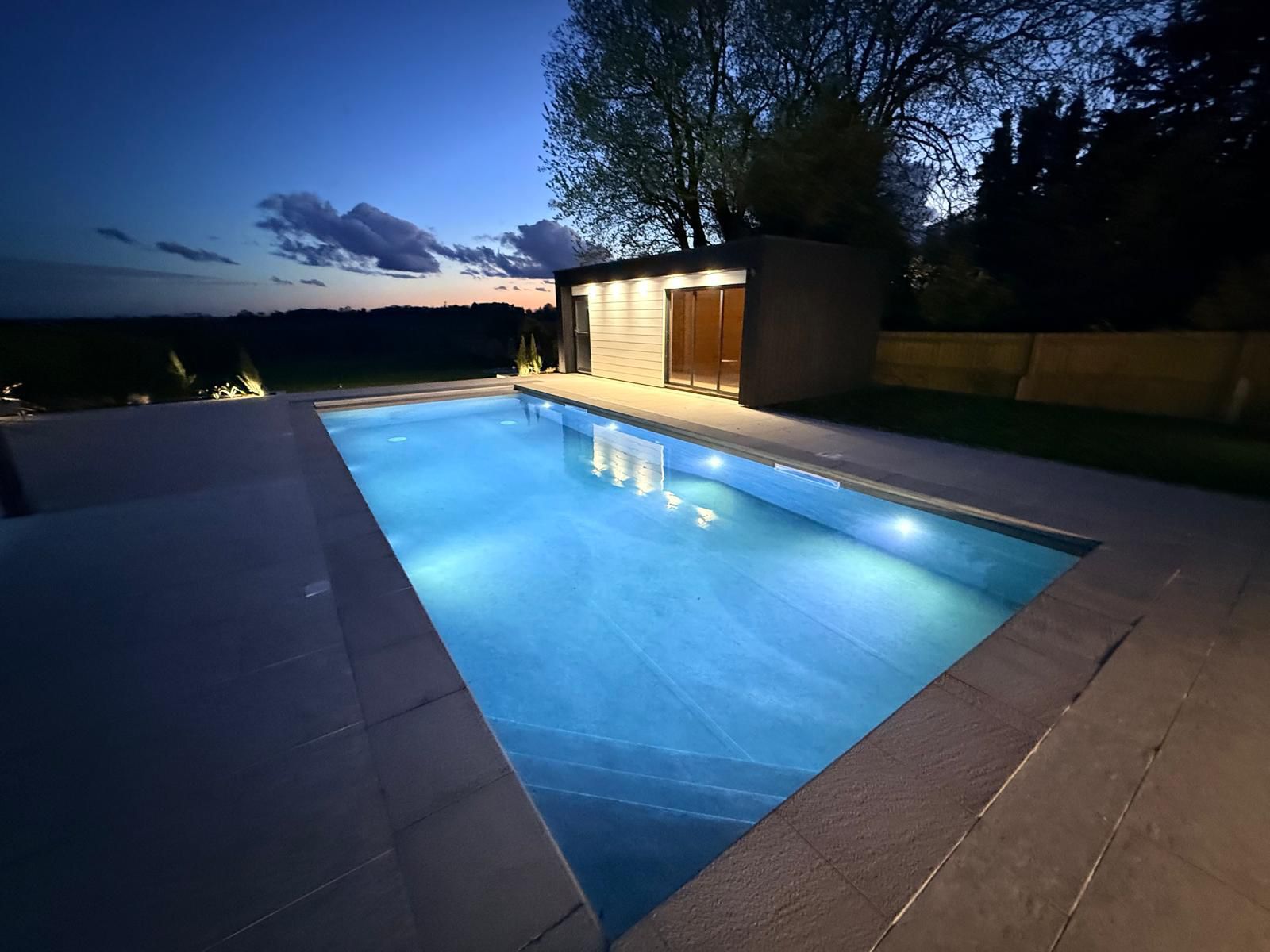
The key to successful garden transformation lies in understanding how design principles work with your specific site conditions, personal requirements, and budget. A well-planned approach ensures every element serves a purpose whilst contributing to the overall aesthetic vision.
Understanding Your Space and Requirements
Before any design work begins, it’s essential to thoroughly assess your existing garden and clearly define what you want to achieve. This foundational stage determines the success of your entire project.
Start by examining your garden’s orientation, soil conditions, drainage patterns, and existing features. Note areas that receive full sun, partial shade, or remain in shadow throughout the day. Understanding these microclimates will inform plant selections and activity zone placement.
Consider how you actually use outdoor space. Do you entertain frequently and need generous dining areas? Are you keen gardeners requiring dedicated growing beds? Perhaps you have young children needing safe play zones, or you’re looking for low-maintenance solutions that still deliver visual impact.
Think practically about storage requirements, utility access, and maintenance considerations. The most beautiful garden design becomes frustrating if it doesn’t accommodate everyday realities like bin storage, washing lines, or easy access for garden care.
Site Analysis and Constraints
Professional designers conduct detailed site surveys to identify opportunities and constraints that influence design decisions. This includes assessing boundaries, existing structures, mature trees worth preserving, and any planning restrictions that might affect your proposals.
Soil testing reveals pH levels and drainage characteristics that determine suitable plant choices. Poor drainage might require installation of land drains or raised planting beds, whilst clay soils may need improvement with organic matter or alternative planting strategies.
Understanding your property’s architectural style helps ensure the garden design complements rather than conflicts with your home’s character. A Victorian terrace calls for different treatment than a contemporary new-build, though both can achieve stunning results with appropriate design approaches.

Creating Functional Zones and Flow
Successful garden design divides space into distinct zones that flow naturally into one another. This zoning approach maximises usability whilst creating visual interest through varied experiences within the garden.
Entertainment areas typically need level, hard-surfaced spaces close to the house for easy access to kitchens and indoor facilities. These might include dining terraces, barbecue zones, or informal seating areas positioned to capture morning coffee sunshine or evening aperitif spots.
Children’s play areas require careful positioning where supervision from the house is possible, with soft surfaces for safety and adequate space for active games. As children grow, these zones can evolve into teenage hangout spaces or additional entertaining areas.
Quieter contemplative areas might be positioned further from the house, perhaps featuring comfortable seating surrounded by scented plants or positioned to capture distant views. These retreats provide valuable respite from busy household activity.
Connecting Spaces Through Circulation
Well-designed pathways guide movement through the garden whilst creating opportunities to pause and appreciate different views and experiences. Professional garden design services carefully plan these circulation routes to feel natural rather than forced.
Primary paths should be generous enough for comfortable walking, typically 1.2-1.5 metres wide for main routes. Secondary paths can be narrower but should still accommodate maintenance access to all planted areas.
Consider how paths will perform in different weather conditions. Natural materials like gravel or bark chips work beautifully in dry conditions but can become muddy and slippery when wet. Hard materials like natural stone or quality concrete products provide all-weather reliability.

Material Selection and Construction Quality
The materials you choose fundamentally shape your garden’s character, performance, and maintenance requirements. Quality materials installed with proper attention to detail will reward you with decades of reliable service and enduring beauty.
Natural stone remains the premium choice for many Leicestershire gardens, offering unmatched durability and timeless appeal. Local stones like granite or imported materials like Indian sandstone provide different aesthetic qualities whilst both delivering excellent performance when properly installed.
Modern porcelain products offer compelling alternatives, particularly for contemporary design schemes. These materials resist staining, require minimal maintenance, and come in increasingly sophisticated finishes that can convincingly mimic natural materials whilst offering superior practicality.
Timber elements bring warmth and natural texture to garden designs. Hardwoods like oak or iroko age gracefully and withstand British weather conditions, whilst properly treated softwoods offer more budget-friendly options for features like pergolas, planters, or screening.
Plant Selection for Year-Round Interest
Successful planting schemes provide interest throughout the seasons whilst working within your garden’s specific growing conditions. This requires careful selection of trees, shrubs, perennials, and bulbs that will thrive in your particular microclimate.
Structural plants form the garden’s backbone, providing year-round form even when herbaceous plants die back in winter. Evergreen shrubs, ornamental grasses, and carefully positioned trees create this essential framework around which seasonal displays can flourish.
Layered planting creates depth and interest by combining plants of different heights, textures, and flowering seasons. This approach ensures something is always performing whilst maximising the impact from available space.
Consider maintenance requirements when selecting plants. A professional landscaping team can recommend plant combinations that deliver maximum impact with minimal ongoing care, perfect for busy lifestyles.
Integrating Technology and Lighting
Modern garden design increasingly incorporates technology to enhance usability and enjoyment. Outdoor lighting extends the garden’s use into evening hours whilst creating dramatic effects that transform the space after dark.
Automatic irrigation systems ensure plants receive consistent water supplies without demanding daily attention. These systems can be zoned to deliver appropriate amounts to different plant types and can incorporate weather sensors to prevent unnecessary watering during rainy periods.
Outdoor electrical installations enable garden lighting, water features, and power supplies for maintenance equipment. Planning electrical requirements during the design phase is far more cost-effective than retrofitting these services later.

Water Features and Sustainability
Water features add movement, sound, and wildlife interest to garden designs. Options range from simple bubble fountains requiring minimal space and maintenance to larger pools supporting fish and aquatic plants.
Sustainable design practices are increasingly important in contemporary garden planning. Rainwater harvesting, permeable paving materials, and drought-tolerant planting reduce environmental impact whilst often reducing long-term maintenance costs.
Green roofs on garden buildings, composting areas, and wildlife habitats can be seamlessly integrated into beautiful garden designs that support local ecosystems whilst providing practical benefits.
Working with Professional Designers
Whilst many garden improvements can be tackled as DIY projects, complex designs benefit enormously from professional expertise. Experienced designers bring technical knowledge, creative vision, and project management skills that ensure successful outcomes.
Professional designers help you avoid costly mistakes by identifying potential problems early in the planning process. They understand local planning requirements, soil conditions, and practical installation challenges that might not be obvious to homeowners.
The design process typically begins with initial consultations to understand your requirements and assess your site. This leads to concept proposals showing how the space could be transformed, followed by detailed drawings and specifications for implementation.
Many design practices offer phased implementation options, allowing you to spread costs over time whilst ensuring each phase works as part of the overall vision. This approach makes ambitious garden transformations accessible to a wider range of budgets.
Implementation and Project Management
Professional installation ensures design intentions are properly realised whilst dealing with the inevitable challenges that arise during construction. Experienced contractors understand how to work efficiently whilst minimising disruption to your household routines.
Quality installation requires proper preparation, from excavation and drainage to sub-base construction and finishing details. Cutting corners during installation almost inevitably leads to problems later, making professional expertise a worthwhile investment.
Project coordination becomes particularly important when multiple trades are involved. Landscapers, electricians, plumbers, and specialist contractors must work in the correct sequence to achieve professional results efficiently.
Maintaining Your Investment
A well-designed garden should enhance your property’s value whilst providing years of enjoyment with appropriate care. Understanding maintenance requirements helps you make informed decisions about materials, plants, and design features.
Establish maintenance routines early to keep your garden looking its best. This includes seasonal tasks like pruning, feeding, and cleaning hard surfaces, as well as longer-term considerations like plant replacement and material refurbishment.
Professional maintenance services can handle complex tasks or provide seasonal deep-cleans whilst you manage day-to-day garden care. This partnership approach ensures your garden continues to perform whilst fitting maintenance around your lifestyle.
Regular professional inspections can identify developing problems before they become costly repairs. Issues like drainage problems, pest infestations, or material deterioration are much easier and cheaper to address when caught early.
Ready to transform your outdoor space with professional garden design expertise? Browse our portfolio to see how we’ve helped homeowners across Leicestershire create beautiful, functional gardens that enhance their properties and lifestyles. Contact our experienced design team today to discuss your garden’s potential and arrange a consultation. Let us help you create the outdoor space you’ve always envisioned.